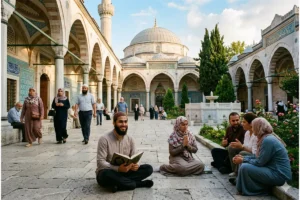

Fasting called Sawm in Arabic is an act of worship in Islam. It means abstaining from food, drink, and marital intimacy from dawn until sunset with sincere intention for Allah alone. More than limiting the body it is about disciplining the heart, quieting the ego, and opening to more presence and truth in life.
Qur’an Reference: Surah Al-Baqarah, Verse 183
Understanding Fasting and Its Purpose
What Fasting Means in Arabic and Islam
Sawm is rooted in the idea of restraint. In Islam it means holding back from permissible things during daylight without forgetting the inner dimension. It includes speaking kindly, avoiding wrongdoing, purifying thoughts. Fasting is not just hunger it is control over what the heart desires most that distracts from Allah.
Qur’an Reference: Surah Al-Baqarah, Verse 183
Why Allah Prescribed Fasting
Allah prescribed fasting to teach taqwa God-consciousness to those who believe. It helps to build mindfulness, gratitude, empathy for those less fortunate and purification of the soul. The command to fast was not unique to Muslims it was also prescribed to previous communities.
Qur’an Reference: Surah Al-Baqarah, Verse 183
Who Must Fast and When
Obligatory Fasting During Ramadan
Ramadan is the ninth month of the Islamic lunar calendar during which fasting becomes obligatory for every adult, sane, and able Muslim. From dawn (Fajr) to sunset (Maghrib) Muslims fast unless they have a valid excuse.
Qur’an Reference: Surah Al-Baqarah, Verse 185
Exemptions: Illness, Travel, and Other Conditions
Islam does not burden people beyond their ability. If someone is sick, traveling, pregnant, nursing, elderly or has other valid reasons fasting can be postponed or compensated for later. God’s mercy always takes into account individual circumstances.
Qur’an Reference: Surah Al-Baqarah, Verse 184
How to Fast Properly
Intention Pre-dawn Meal and Breaking Fast
Before dawn Muslims eat suhoor pre-dawn meal and make clear intention to fast for Allah. They abstain once the break of dawn is distinct till sunset. After sunset the fast is broken with iftar usually with dates or light food.
Qur’an Reference: Surah Al-Baqarah, Verse 187
Actions That Invalidate the Fast
Certain actions break the fast them include eating, drinking, deliberate marital relations during the fasting hours. Also lying, backbiting, sinful speech or behavior weaken the spiritual benefit even if not invalidating technically. One should fast with purity inside as much as outside.
Qur’an Reference: Surah Al-Baqarah, Verse 187
Spiritual and Moral Rewards of Fasting
Building Self-Control and Empathy
Fasting softens the heart. When the body feels hunger or thirst one is reminded of those who suffer daily without choice. This builds compassion and gratitude. Resisting impulses becomes easier and often leads to stronger faith.
Qur’an Reference: Surah Al-Baqarah, Verse 183
Forgiveness Mercy and Closeness to Allah
Allah promises huge rewards to those who fast sincerely out of faith. Many sins forgiven, doors of mercy opened, one feels closer to Allah. Fasting becomes an act of purification and spiritual elevation.
Qur’an Reference: Surah Al-Ma’idah, Verse 106
Common Misconceptions About Fasting
Fasting Is Only Physical Abstinence?
Some think fasting is only about not eating or drinking. Islam teaches it includes abstaining from harmful speech, jealousy, gossip. Fasting without guarding the tongue or heart can lose much of its spiritual value.
Qur’an Reference: Surah Al-Baqarah, Verse 187
Is It Too Hard or Too Much?
Fasting may seem difficult at first but small steps matter. Allah knows your effort. Even if one fasts little or does voluntary fasts first, it can build momentum. The spiritual rewards far exceed temporary discomfort when intention is for Allah.
Qur’an Reference: Surah Al-Baqarah, Verse 183
How Fasting Transforms Daily Life
Awareness in Every Day and Moment
Fasting increases mindfulness not just during the fast but after. One becomes more aware of what one says, eats, drinks. Choices become more deliberate. One’s relationship with Allah and with others deepens.
Qur’an Reference: Surah Al-Baqarah, Verse 183
Fasting Beyond Ramadan
While Ramadan fasts are obligatory, there are many voluntary fasts throughout the year like six days of Shawwal or fasting on Mondays and Thursdays. These help keep the heart connected to that state of submission and spiritual discipline.
Qur’an Reference: Surah At-Tawbah, Verse 36
Conclusion
Fasting in Islam is much more than abstaining from food and drink it is a journey of the heart. It teaches gratitude, humility, compassion, self-restraint and draws you closer to Allah. When you fast with sincere intention you begin to see your life differently values become clearer faith becomes stronger and your heart finds peace.
Qur’an Reference: Surah Al-Baqarah, Verse 183